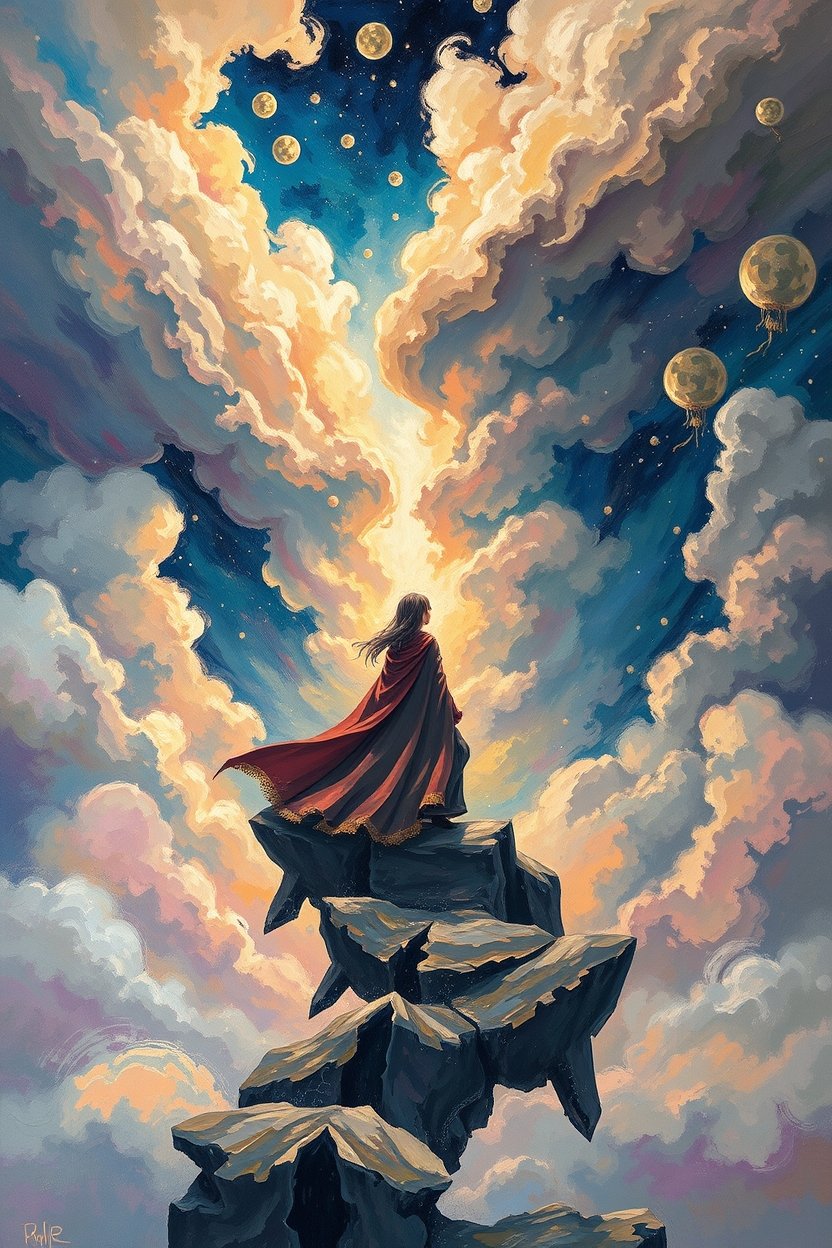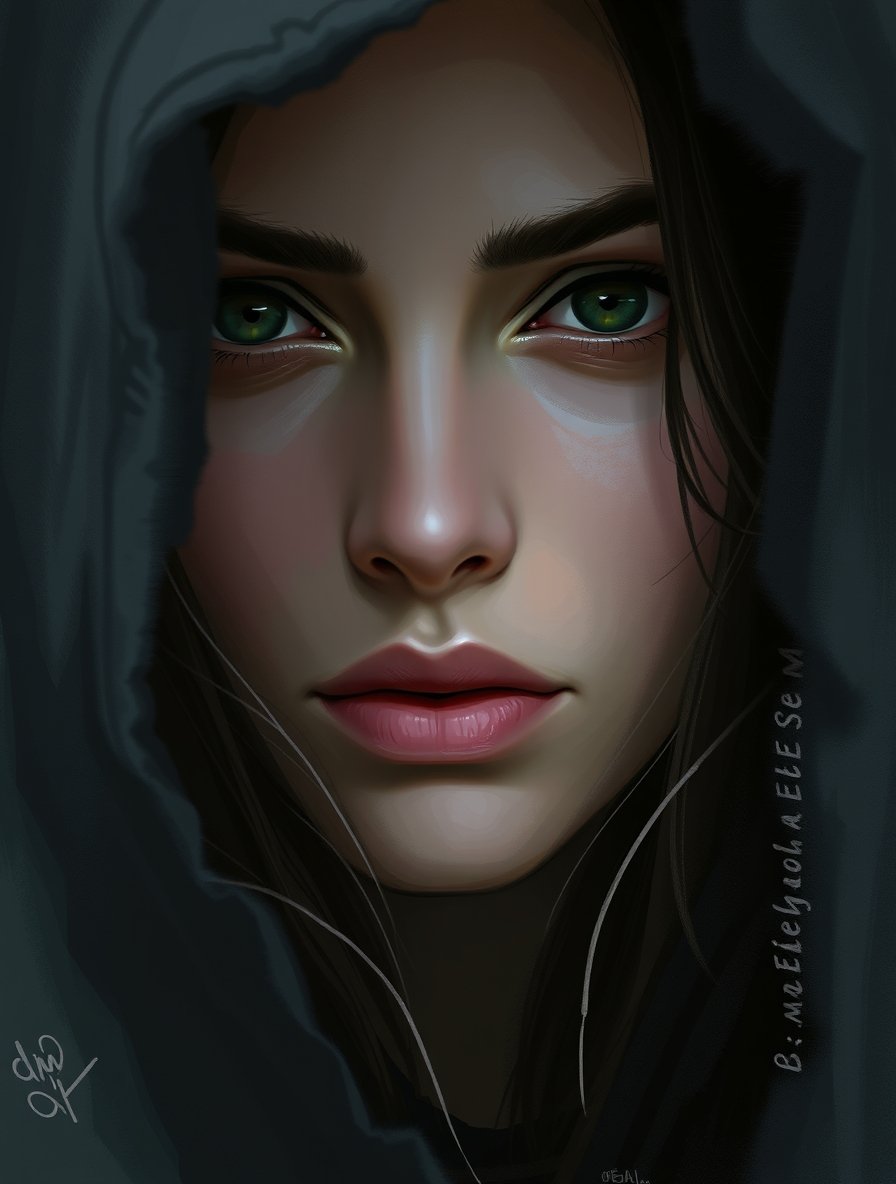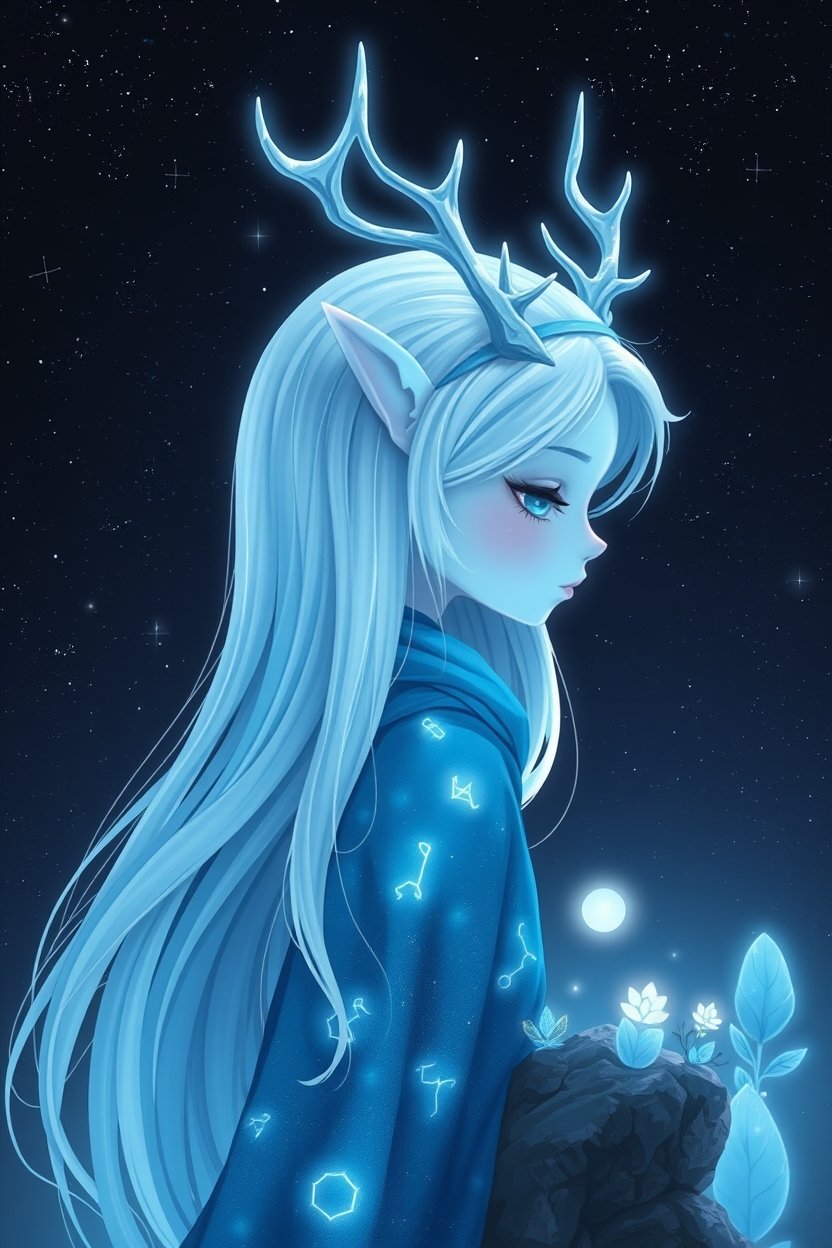
AI art has taken the creative world by storm, producing breathtaking visuals that rival human-made masterpieces. But with its rise comes a heated debate: Is AI art plagiarism, copying the work of human artists, or is it a revolutionary tool for creativity? If you’re an art lover browsing our site, you’ve likely heard whispers of this controversy. Let’s dive into both sides of the argument with an open mind and explore how AI art can elevate artists to new heights when used thoughtfully.
The Case Against AI Art: Concerns of Plagiarism
Some critics argue that AI art is, at its core, a form of plagiarism. Their reasoning hinges on how AI models are created and function. Here’s their perspective:
- Training on Existing Art: AI models, like those powering tools such as Stable Diffusion or DALL·E, are trained on vast datasets of images, many scraped from the internet. These datasets often include works by human artists, sometimes without their explicit permission. Critics claim that AI “learns” by mimicking these artworks, essentially copying elements of style, composition, or even specific details without giving credit.
- Replicating Styles: AI can generate images in the style of famous artists, like Van Gogh or Banksy, or even lesser-known creators. Some argue this feels like stealing an artist’s unique voice, as AI can produce near-identical styles without the years of practice and personal expression that artists pour into their craft.
- Lack of Originality: Skeptics question whether AI art is truly original. Since the AI relies on patterns from existing images, they argue it’s merely remixing what’s already out there rather than creating something new. This concern is amplified when AI-generated pieces closely resemble specific artworks, raising ethical questions about ownership and attribution.
- Impact on Artists: Many worry that AI art floods the market with cheap, fast alternatives, undercutting human artists who rely on commissions or sales. This economic threat fuels the perception that AI is “taking” from artists without giving back.
These concerns resonate deeply, especially for artists who feel their livelihoods or creative identities are at risk. The fear is that AI might devalue the human touch that makes art so personal and meaningful.
The Case for AI Art: A Tool for Innovation
On the other side, proponents of AI art argue that it’s not plagiarism but a transformative tool that builds on the tradition of artistic inspiration. Here’s their perspective:
- Art as Evolution: Throughout history, artists have drawn inspiration from others, remixing techniques, styles, and ideas. AI, supporters say, is just a modern version of this process. It doesn’t “copy” specific artworks but learns broad patterns—like brushstrokes or color palettes—to create something new, much like a human artist studying the Renaissance to inform their work.
- Democratizing Creativity: AI art tools make creativity accessible to everyone, not just trained artists. Supporters argue this expands the art world, allowing hobbyists, designers, and enthusiasts to express themselves. Far from stealing, AI empowers more people to engage with art, growing the creative community.
- Human Guidance: AI doesn’t create in a vacuum—it requires human input through prompts, tweaks, and curation. Proponents see AI as a collaborator, not a thief. The final artwork reflects the user’s vision, making it a unique creation even if it’s built on learned patterns.
- New Possibilities: AI can generate visuals that push boundaries, blending styles or concepts in ways humans might not imagine. For example, an AI might combine “cyberpunk” and “impressionist” aesthetics, sparking ideas that inspire human artists to explore new directions.
Supporters view AI art as a tool, like a paintbrush or camera, that extends human creativity rather than replaces it. They argue the focus should be on how the tool is used, not on banning it outright.
Navigating the Gray Area
The truth likely lies in the gray area. AI art models do rely on existing works for training, which raises valid ethical questions about consent and credit. Yet, human artists also draw inspiration from the world around them, and AI’s ability to remix ideas isn’t so different. The key difference lies in scale and intent: AI can process millions of images at lightning speed, and without clear guidelines, it’s easy to see why some feel it crosses a line.
Legally, the issue is murky. Copyright law varies by country, and many jurisdictions haven’t caught up with AI’s complexities. Some artists have pushed for stricter regulations, while others advocate for transparent training datasets or royalties for artists whose work is used. Meanwhile, the art community grapples with questions of authenticity and value in an AI-driven world.
Using AI Art Thoughtfully: A Path to Creative Growth
So, how should we approach AI art? At SkyCastle.Art, we believe AI is a powerful tool to supplement and assist artists, not replace them. When used thoughtfully, AI can take creativity to the next level. Here’s how:
- Spark Inspiration: AI can generate rough concepts or unexpected combinations that inspire artists to refine their own work. For example, an AI-generated sketch might spark a new series of paintings with a fresh perspective.
- Streamline Workflows: Artists can use AI to handle time-consuming tasks, like generating backgrounds or experimenting with color schemes, freeing them to focus on the heart of their craft. This is especially helpful for illustrators, designers, or concept artists working on tight deadlines.
- Explore New Styles: AI lets artists test styles they might not have mastered, like hyper-realism or abstract expressionism, without years of training. This experimentation can lead to breakthroughs in their personal style.
- Collaborative Creation: Think of AI as a creative partner. Artists can guide the AI with prompts, refine its outputs, and blend them with their own techniques, creating hybrid works that showcase both human and machine strengths.
To avoid ethical pitfalls, artists should use AI transparently—crediting influences, respecting copyrighted works, and ensuring their final pieces reflect their unique voice. By treating AI as a tool rather than a shortcut, artists can amplify their creativity while honoring the art community.
Embrace AI as Your Creative Ally
The debate over AI art and plagiarism reflects the growing pains of a new creative frontier. Both sides have valid points, but the future lies in finding balance—using AI to enhance, not overshadow, human artistry. At SkyCastle.Art, we’re excited to offer AI-generated artworks that celebrate this balance, alongside tools to help you create your own. Whether you’re an artist looking to push boundaries or an art lover exploring new aesthetics, AI can be your ally in unlocking unparalleled creativity.