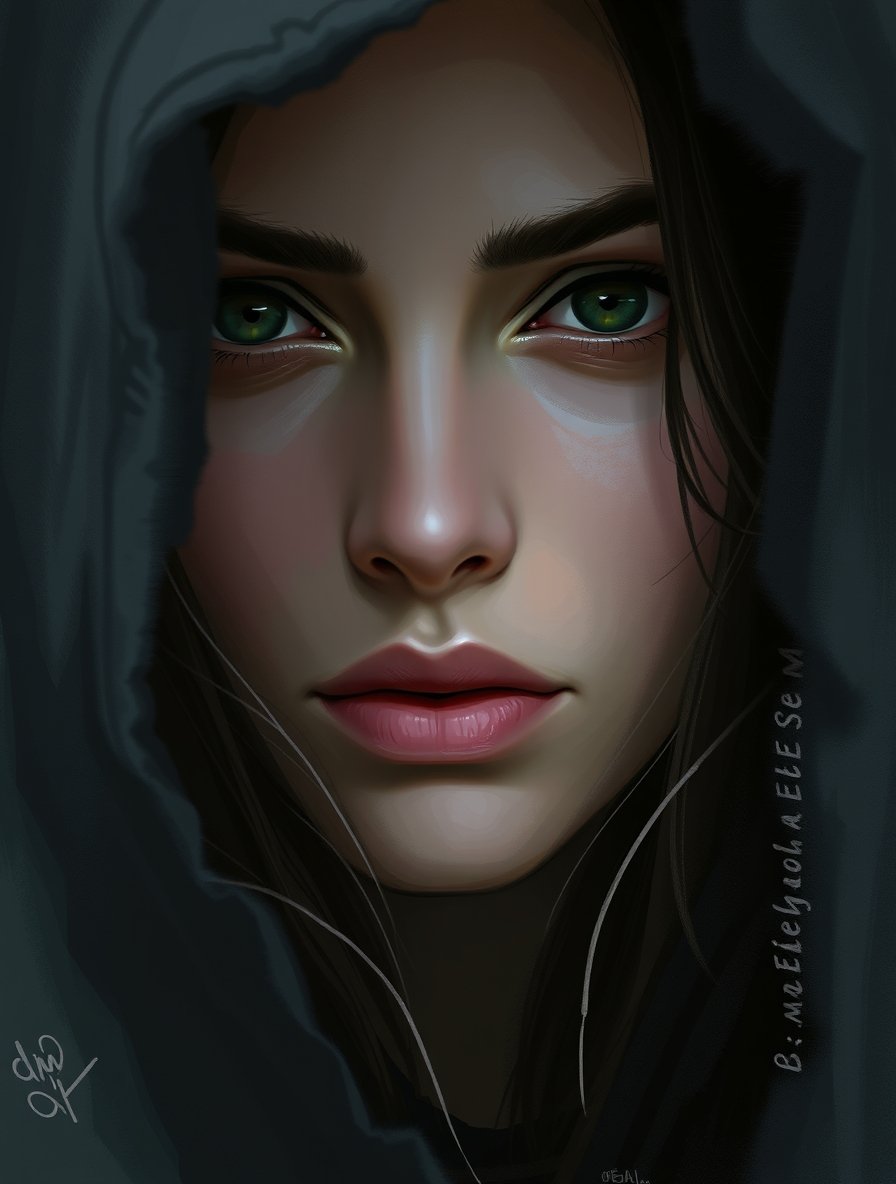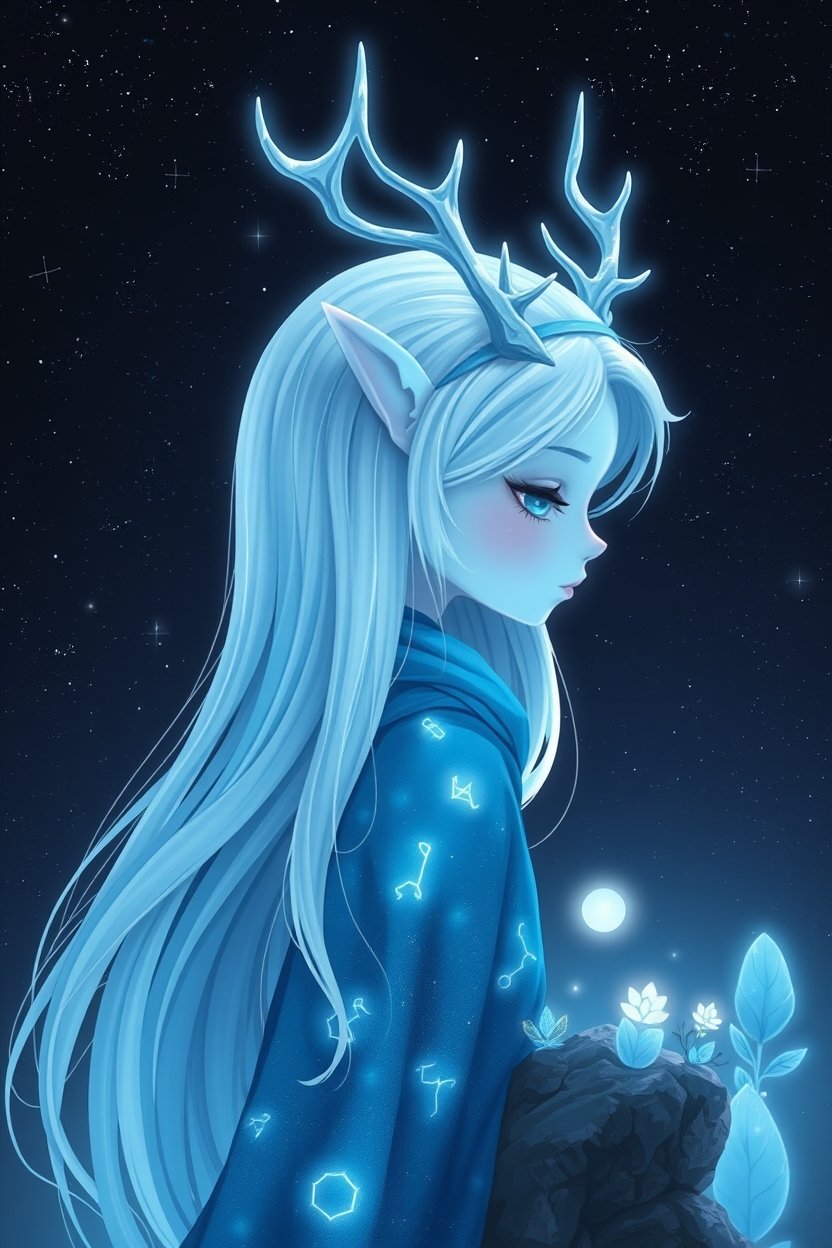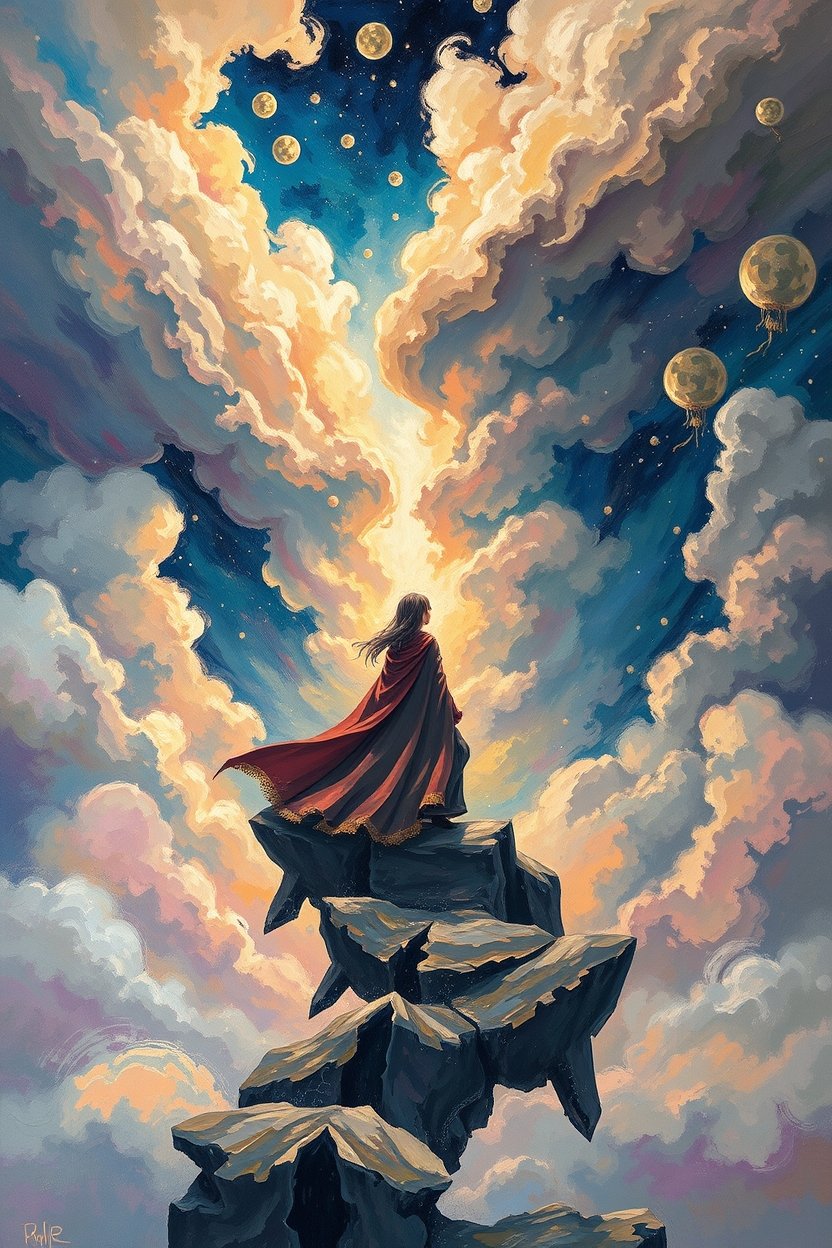
Welcome to the fascinating world of AI art, where technology and imagination collide to create stunning visuals that captivate the heart and mind. If you love art but have never explored how artificial intelligence (AI) can craft breathtaking images, you’re in for a treat. Let’s dive into what AI art is, how it’s created, and the technology that brings these digital masterpieces to life—all in a way that’s easy to understand, even if you’re not a tech expert.
What Is AI Art?
AI art is artwork created with the help of artificial intelligence, a type of technology that mimics human thinking to generate images, paintings, or designs. Imagine an artist with a paintbrush, but instead of a canvas, they’re working with a computer program that can dream up images based on simple instructions—like a magic genie for art! Whether it’s a vibrant landscape, a surreal portrait, or an abstract swirl of colors, AI art can look just as stunning as traditional paintings or drawings, but it’s born from the power of code.
You might be wondering, “How does a computer create art?” Great question! At its core, AI art is made by teaching a computer to understand patterns in images and then use those patterns to generate something new. It’s like teaching the computer to “think” like an artist, blending creativity with technical wizardry.
How Is AI Art Created?
The process of creating AI art is like a recipe with a few key ingredients: a creative idea, a smart AI model, and a sprinkle of human guidance. Here’s a simple breakdown of how it works:
- You Provide the Idea: The process often starts with a prompt—a sentence or phrase you give the AI to describe what you want. For example, you might say, “A dreamy sunset over a mountain with glowing stars” or “A futuristic city with flying cars.” The AI uses this as its starting point, like an artist getting inspired by a story.
- The AI Gets to Work: The AI, powered by a program called a model, takes your prompt and starts generating an image. This model has been trained on thousands (or even millions) of images, so it knows what mountains, sunsets, or cities look like. It’s like the AI has studied every art gallery in the world and can mix and match elements to create something unique.
- Refining the Magic: Sometimes, the first image isn’t perfect, so artists tweak the prompt or adjust settings to get closer to their vision. It’s a bit like sketching and erasing until the artwork feels just right. Some AI tools even let you upload an existing image to guide the style or details.
The result? A one-of-a-kind piece of art that feels both familiar and fresh, created in minutes or even seconds.
The Technology Behind AI Art
Now, let’s peek under the hood at the tech that makes this possible, without getting too bogged down in jargon. The heart of AI art is something called a neural network, a computer system designed to mimic how the human brain processes information. Think of it as a super-smart assistant that’s really good at recognizing patterns.
Training the AI
Before an AI can create art, it needs to “learn” what art looks like. Developers feed the neural network tons of images—think paintings, photographs, and digital designs. The AI studies these images to understand shapes, colors, textures, and styles, like an art student analyzing the works of Van Gogh or Picasso. This process is called training, and it’s what gives the AI its creative superpowers.
Generative Models
The specific type of AI used for art is often a generative model, which is designed to create new content from scratch. Two popular types are:
- GANs (Generative Adversarial Networks): These are like two AIs working together—one creates images, and the other critiques them, saying, “Nope, that doesn’t look like a sunset!” They keep refining until the image looks realistic or artistic.
- Diffusion Models: These start with random noise (like static on an old TV) and gradually refine it into a clear image based on your prompt. It’s like sculpting a masterpiece from a block of marble.
The Human Touch
While the AI does the heavy lifting, humans are still in charge. Artists, designers, or even you can guide the AI by choosing prompts, tweaking settings, or combining styles (like “a cat in the style of a Monet painting”). This collaboration between human creativity and AI power is what makes AI art so exciting.
Why AI Art Is Special
AI art isn’t just about technology—it’s about unlocking endless possibilities. Here are a few reasons why it’s capturing the hearts of art lovers like you:
- Endless Creativity: AI can create anything from hyper-realistic portraits to whimsical, dreamlike scenes, giving you art that feels personal and unique.
- Accessibility: You don’t need to be a painter or have fancy tools. Anyone with a computer or smartphone can experiment with AI art.
- Inspiration for All: AI art can inspire new ideas, whether you’re decorating your home, designing a project, or just exploring your creative side.
Ready to Explore AI Art?
At SkyCastle.Art, we’re passionate about bringing AI art to life. Whether you’re drawn to bold abstracts, serene landscapes, or quirky designs, our collection of AI-generated artwork offers something for every art lover. Browse our gallery to discover pieces that speak to you, or try creating your own AI art. The beauty of AI art is that it’s not just about the final image—it’s about the journey of imagination, where technology and creativity dance together.
Stay tuned for our next blog, where we’ll take you on a journey through the history of AI art, from its early digital days to the cutting-edge creations of today. Until then, let AI art spark your imagination!