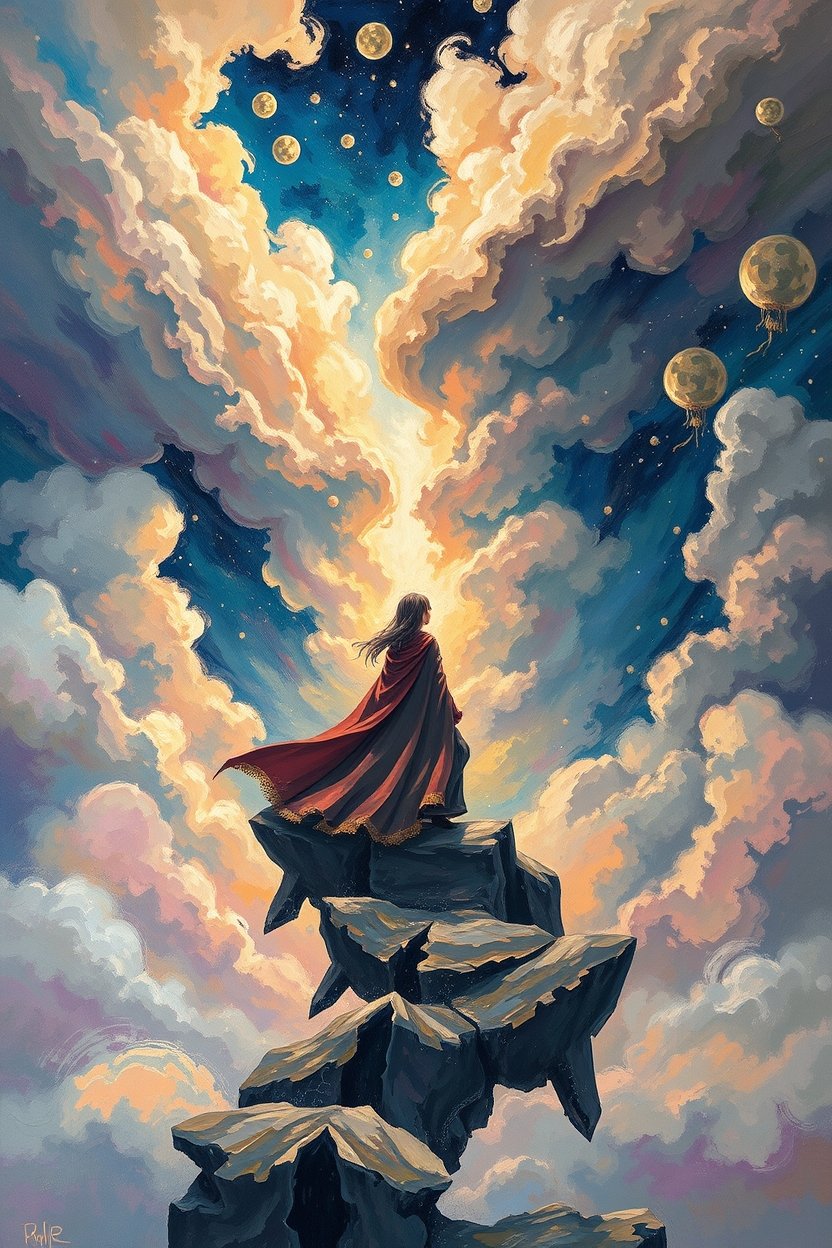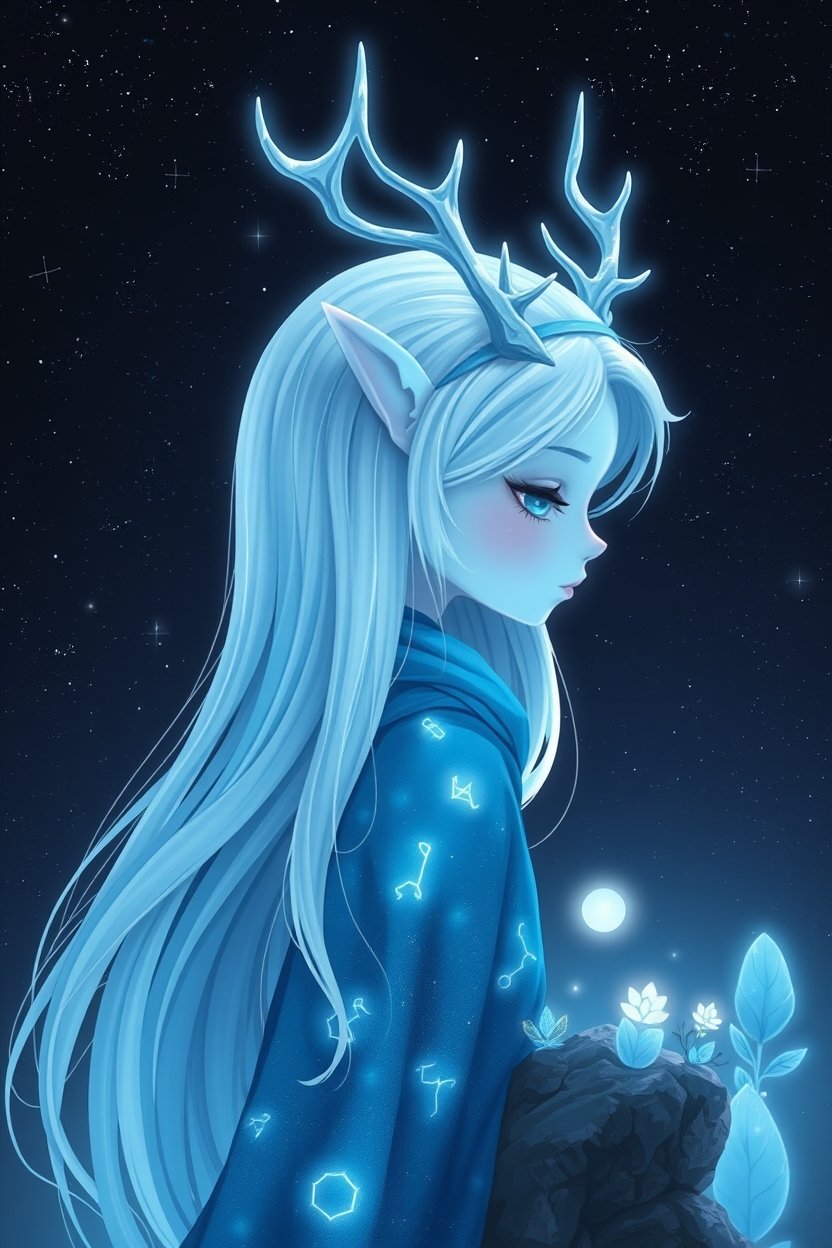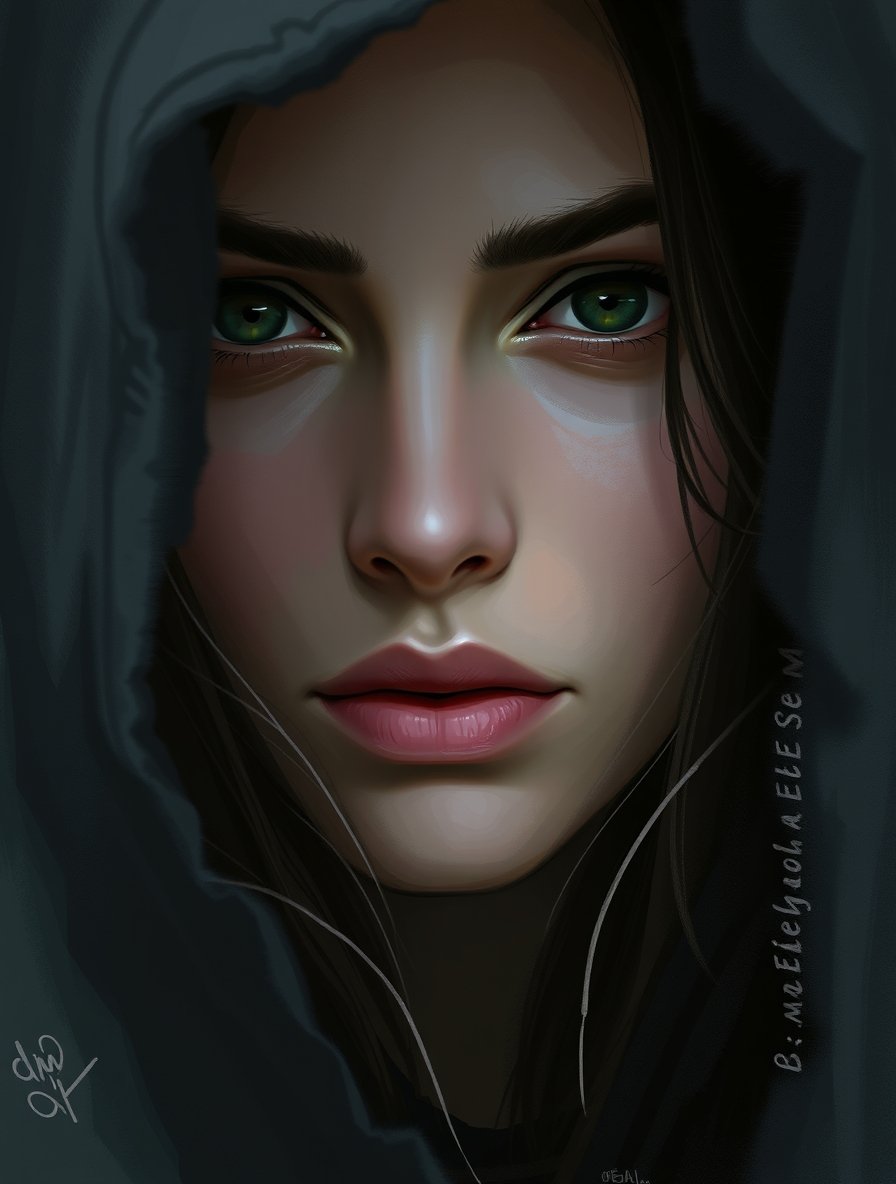
Imagine a world where art leaps from crude digital sketches to vibrant, lifelike creations crafted by artificial intelligence in mere seconds. The journey of AI art is a thrilling tale of innovation, blending human creativity with cutting-edge technology. If you’re an art lover curious about how AI art went from basic computer graphics to the stunning pieces you see on our site, this blog will take you on a captivating ride through its history. Let’s explore the timeline of AI art, from its humble beginnings to the awe-inspiring advancements of today.
The Dawn of Digital Art: Laying the Foundation
Long before AI art became a buzzword, artists were experimenting with computers to create visuals. In the 1960s, pioneers like John Whitney used early computers to generate simple geometric patterns and animations. These machines were clunky, with limited processing power, and creating a single image could take hours. Think of it like drawing with a typewriter—slow, but groundbreaking for its time.
By the 1980s and 1990s, digital art took a leap forward with tools like Adobe Photoshop and early 3D modeling software. Artists could now paint, manipulate images, and create virtual worlds using computers. While these creations weren’t “AI art” in the modern sense, they set the stage by showing how technology could amplify human creativity. Programs like these became the canvas for what would eventually become AI-driven masterpieces.
The Birth of AI Art: Early Models in the 2000s
The real spark of AI art ignited in the 2000s, when researchers began exploring neural networks—computer systems inspired by the human brain. These networks could “learn” patterns from data, like recognizing shapes or colors in images. Early experiments were modest, producing abstract blobs or pixelated patterns, but they hinted at what was possible.
One key milestone came in 2014 with the introduction of Generative Adversarial Networks (GANs) by researcher Ian Goodfellow. GANs were a game-changer: two neural networks worked together, one generating images and the other judging their quality, like an artist and a critic in a friendly duel. The result? Images that were more realistic and creative than anything before. Early GANs created quirky, dreamlike visuals, often rough around the edges, but they proved AI could do more than mimic—it could invent.
The Rise of Creative AI: 2010s and Trained Models
The 2010s marked a turning point as AI art became more accessible and sophisticated. Researchers and artists began training neural networks on massive datasets of images, from classic paintings to modern photography. These trained models could analyze thousands of artworks to understand styles, compositions, and techniques, much like an art student studying the greats.
By 2015, tools like DeepArt and Prisma let everyday users transform photos into artworks mimicking the styles of Van Gogh or Picasso. These apps used style transfer, a technique where AI applies the look of one image (like a starry night sky) to another (like a selfie). Suddenly, anyone with a smartphone could create art, sparking a wave of excitement among art lovers.
Another leap came with text-to-image models in the late 2010s. Programs like VQ-VAE-2 (developed by DeepMind) could generate images from simple text prompts, like “a castle in the clouds.” These early models were limited, often producing blurry or abstract results, but they laid the groundwork for the AI art revolution.
The Golden Age of AI Art: 2020s and Beyond
The 2020s ushered in what many call the golden age of AI art, driven by powerful new models and a surge in public interest. Diffusion models, like DALL·E (2021) and Stable Diffusion (2022), took the world by storm. Unlike earlier GANs, diffusion models start with random noise and gradually refine it into a clear, detailed image based on a user’s prompt. The results were jaw-dropping: photorealistic portraits, fantastical landscapes, and everything in between, all created in seconds.
These models were trained on billions of images from the internet, giving them an encyclopedic knowledge of visual styles. Want a cyberpunk city in the style of a watercolor painting? Or a cat wearing a spacesuit on Mars? AI could deliver, with stunning precision. Tools like Midjourney and DALL·E 2 made AI art mainstream, empowering artists and hobbyists alike to create professional-quality work without a paintbrush.
The Future of AI Art: Where Are We Headed?
Today, AI art is more than a novelty—it’s a vibrant part of the art world. Advanced models continue to evolve, producing images with finer details, richer emotions, and endless variety. Artists are collaborating with AI, using it as a partner to spark new ideas or push creative boundaries. At SkyCastle.Art, we’re proud to showcase AI art that captures the imagination, from dreamy abstracts to hyper-realistic scenes.
What’s next? The future promises even more exciting advancements. AI might soon create interactive art, 3D sculptures, or even virtual reality experiences. As models become smarter, they’ll better understand human emotions and cultural nuances, making AI art even more personal and meaningful.
Join the AI Art Revolution
The evolution of AI art is a testament to human ingenuity, blending technology and creativity to redefine what’s possible. Whether you’re drawn to the bold experiments of the 1960s or the mind-blowing creations of today, there’s something magical about this journey. Explore our gallery at SkyCastle.Art to discover AI art that speaks to you.
Stay tuned for our next blog, where we’ll dive into the controversial topic of AI Art Plagiarism and how AI can be use to empower Artists, not meant to replace them. Until then, let the evolution of AI art ignite your passion for creativity!